I do not really seek out new releases at this point, unless they look really intriguing or I’m inebriated on the internet. For many years I had access to the Naxos press portal (!), and as a result I have more music than I can listen to in three lifetimes. I spend most of my time now either trying to catch up with the myriad still-zipped files, or else searching for older and/or obscure releases on Soulseek or Youtube.
While it is true most of the composers from the places and time periods I am most interested in do not get a lot of attention from record labels c. 2025 (if they ever did), I did acquire a bunch of keepers this year…
0:00:16
Dmitri Shostakovich (1906-1975): Preludes and Fugues, Op. 87; Prelude in C-sharp minor
Yuliana Avdeeva
Pentatone
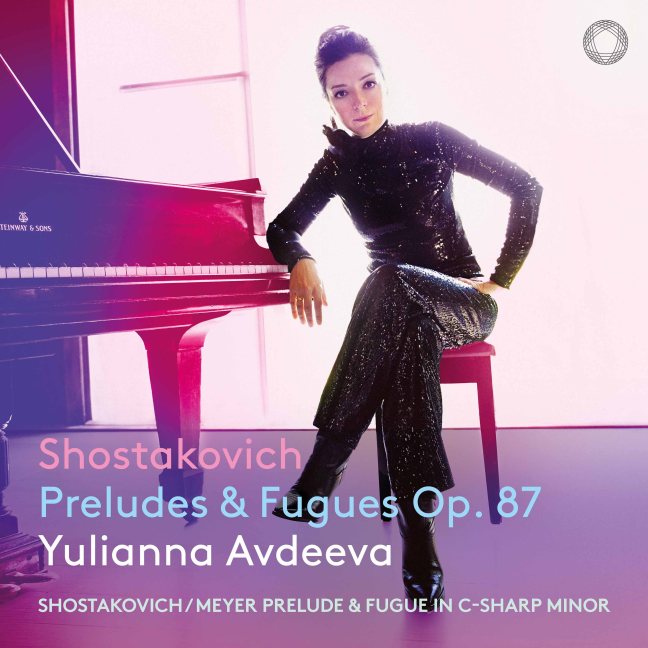
Seeing Avdeeva play the full 2-hour Op. 87 preludes and fugues in Leipzig, E. Germany, was, in retrospect, one of the greatest things I have ever seen in my life. I say “in retrospect” because I didn’t think it was particularly mind-blowing when I saw it… Sure, it was a great artistic and athletic performance, but my mind was not blown open. Listening on repeat to her recording since I got back from Germany, though, has blown it open.
I was glad to see the reviews in the classical music press confirmed my thinking that Yuliana Avdeeva, a former Chopin Award winner, is on the highest plane with Shostakovich.
This prelude is an “outtake,” one Shostakovich discarded when he wrote another in that key that he liked better. Except, I like this one better. It is a world premiere recording of this version, rescued and tuned up by the fine Polish composer Krzysztof Meyer.
0:02:58
Viktor Kalabis (1923-2006): Duettina for violin and cello, Op 67 (1987)
Gidon Kremer (v) & Magdalena Ceple (c)
Hyperion
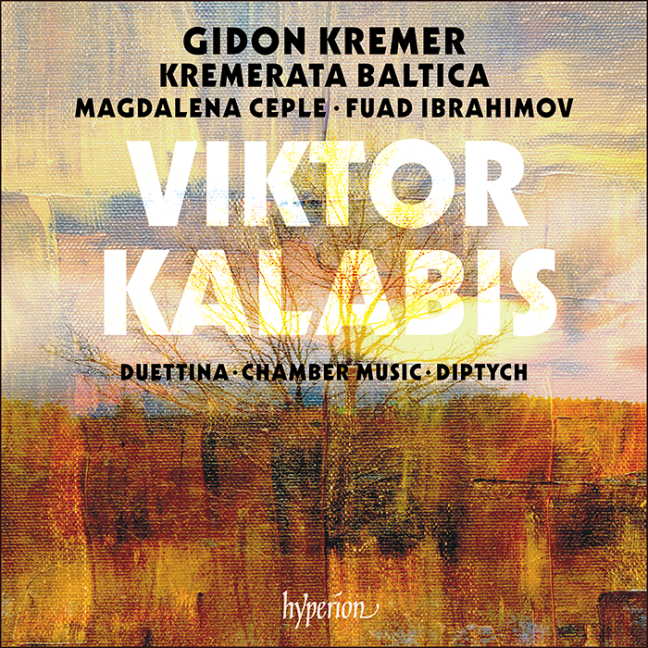
Gidon Kremer’s latest effort to keep the name of an excellent mid-century composer alive. The Czech Viktor Kalabis, or his ghost, is the beneficiary this time around. A fine chamber music album, assuming you like thorny and not super-melodic Bartok…
0:05:33
Alberto Ginastera (1916-1983): String Quartet No. 2, Op. 26 – I. Allegro Rustica
Miró Quartet
Pentatone
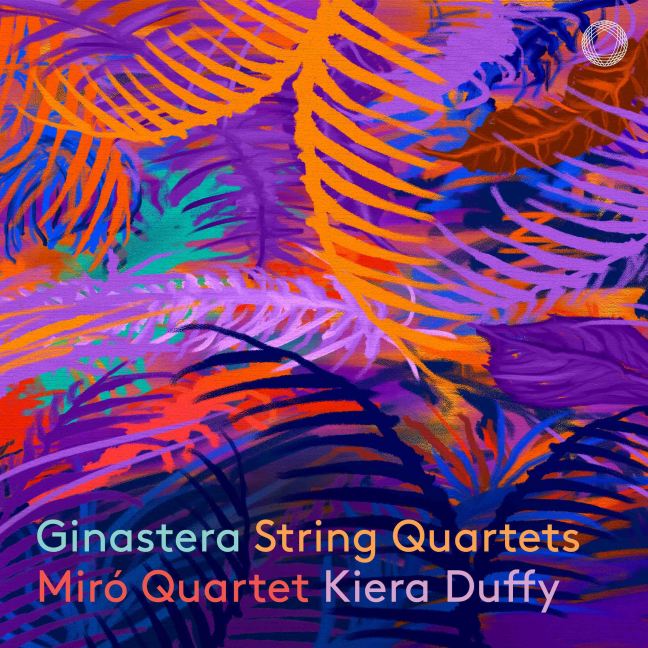
This collection reminded me of why I need to listen to more Ginastera and to more music from Argentina in general. Which I started doing right away, thanks in large part to the Transylvania County Library’s fall book sale.
I have shows of Argentine and Uruguayan composers set for this winter.
0:11:37
Arvo Part (1935- ): Für Jan van Eyck (2020)
Jan-Eik Tulve: Vox Clamantis
ECM New Series
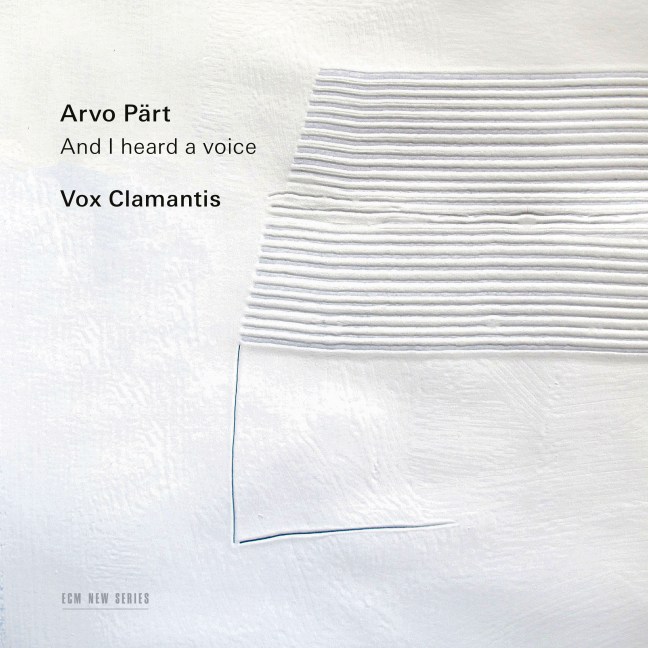
There is no way this record could not have been great: longtime Part collaborators (and fellow Estonians) Vox Clamantis + ECM New series engineering + a bunch of excellent 21st C. Part works.
This is the only track with accompaniment (organ) and dates from a sexacentennial celebration of Van Eyck’s paintings in Ghent back in 2020.
0:16:23
Valentin Silvestrov (1937- ): Symphony No. 8 (2012-3); I. Andantino – Adagio – Più mosso
Christopher Lyndon-Gee: Lithuanian National CO
Naxos
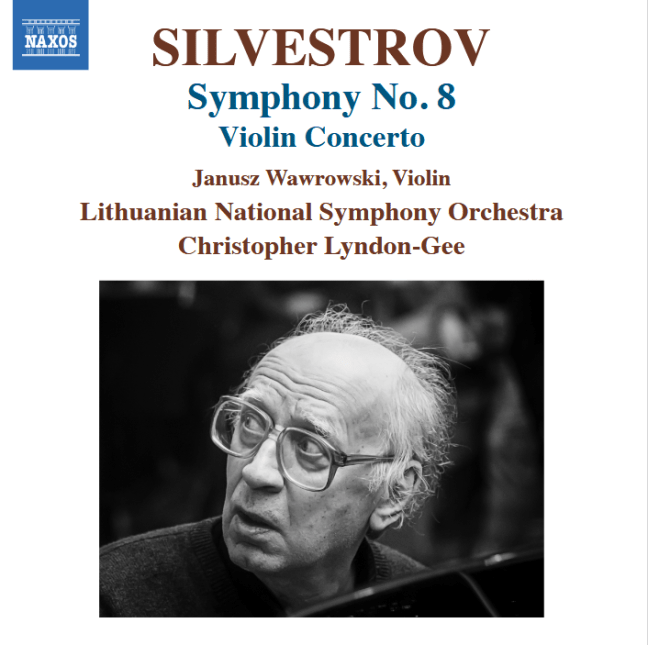
2025 was the year I finally “got it” with Silvestrov and this Naxos album was the gateway. He wrote a lot of music like this symphony, which I did not know. He’s a heavyweight.
0:21:14
Elsa Barraine (1910-1999): Musique funèbre pour la mise au tombeau du Titien (1937)
Elena Schwarz: WDR Symphony Orchestra Köln
CPO
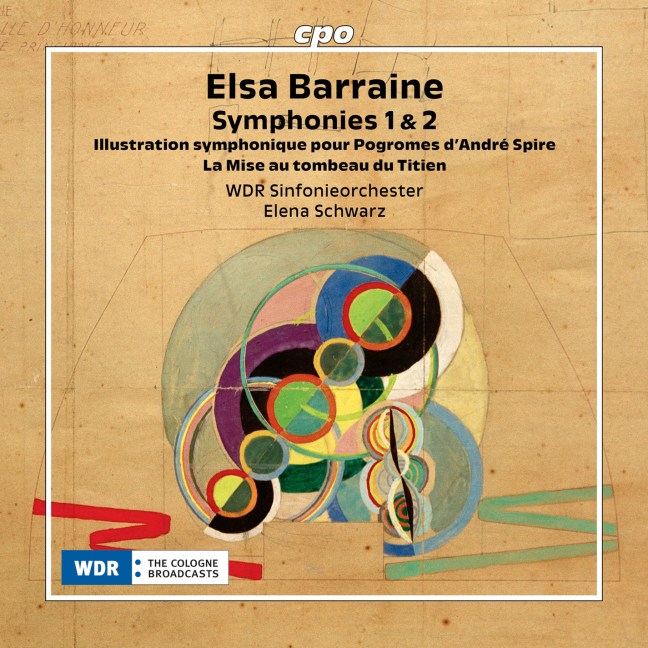
I had never heard of Elsa Barraine until I came upon this record and an album of organ music later in this program. Elsa Barraine was a student of Paul Dukas, with Messiaen as a classmate, and an important teacher and arts administrator in the second half of her life. She was also a heroic public figure in mid-century France, openly confronting the Nazi takeover of her country much longer than most courageous people would deem wise – and doing so despite having half-Jewish parentage. She was forced to go underground in the end.
What she was also was an insanely good composer. Not, “oh-look-another-overlooked-woman-composer”-good. This piece was written in ‘37 and is as good as it gets, 1930s-wise. Wikipedia lists many more works than seem to have been recorded. I’m praying more is discovered and that more gets recorded before I die. Like my other (late but not too late) big discovery of 2025, Lisa Streich, Barraine is one of those composers I feel extremely lucky to have met up with before I die.
There are great bios on these blogs:
https://songofthelarkblog.com/2018/08/29/elsa-barraine-composer-and-french-resistance-leader/
https://leahbroad.substack.com/p/an-introduction-to-elsa-barraine
And there’s a Youtube channel with most of what’s been recorded (or performed lately) here:
https://www.youtube.com/@Ewyr
0:38:06
Sofia Gubaidulina (1931-2025): Figures of Time (1994) (excerpt)
Titus Engel: Basel Sinfonietta
Naxos
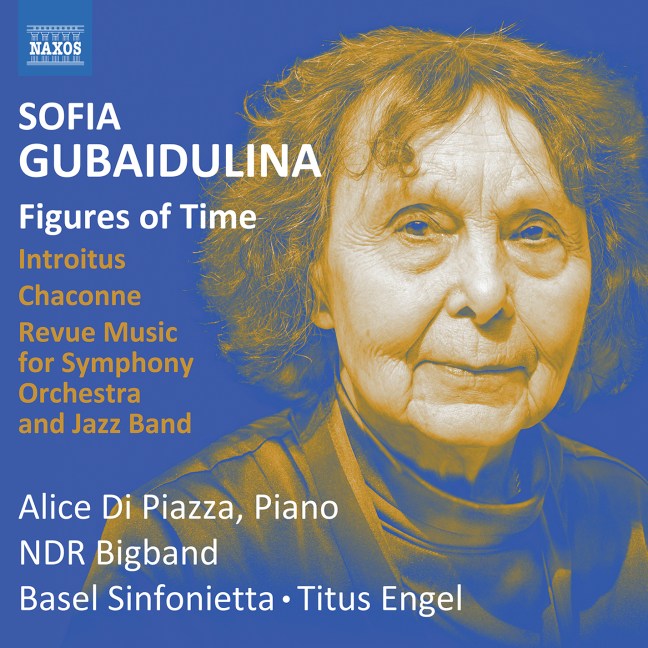
This September release was a nice wave goodbye to Gubaidulina, who died in March. It also contains, oddly, the world premiere of the title piece, which premiered back in ‘94 to considerable acclaim. 30 years? Not sure how that could have happened with a composer of Gubaidulina’s stature. Figures of Time is in hodge-podgy movements so I chose several to excerpt here.
0:31:17
Galina Ustvolskaya (1916-2001): Symphony No. 4, “Prayer” (1985-7)
Christian Karlsen: members of the London Symphony Orchestra
BIS
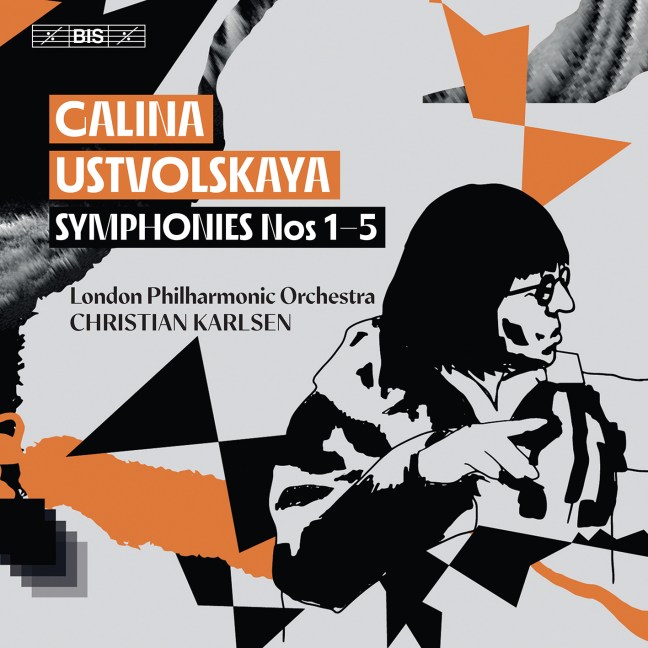
Finally, a single disc containing all five of Ustvolskaya’s symphonies in earwhisker-searing sound and anguished (in terms of vocal parts, maybe a tad over-anguished…) performances. Part of what makes this interesting for the Ustvolskaya cult (of which I am in the drill team) is hearing what an English orchestra and Danish conductor would do with them. (Reinbert de Leeuw led many great Ustvolskaya performances and recordings with the non-Russian ASKO/ Schönberg Ensemble, but that’s Reinbert de Leeuw.) It’s strange hearing the Ustvolskaya symphonies with such crystal-clear high-end sound. The cube, in particular, sounds really, really good. I won’t get rid of my Oleg Malov discs with the various symphonies on them, but I definitely won’t get rid of this one either.
The cover art, though? Uhhh…?
0:52:50
Hania Rani (1990- ): Non Fiction: I. Sonore – Animato – Meno Mosso
Hania Rani w/ Manchester Collective
Deutsche Grammophon
I listened to Hania Rani’s four-movement piano concerto without knowing what it was and liked it so much through the car speakers that I pulled over to check what it was. I have mixed feelings about her, mostly about the pop-ish music on which she sings, but I really enjoyed her lengthy duets with cellist Dobrawa Czocher on an earlier DG release – “minimalist” in the Simon Ten Holt-sense more than the American calliope music-sense. This piano concerto answers the question of what Hania Rani might sound like with a full orchestra: her piano often gets lost in the mix BUT the mix is really fun, a whirling wash of sounds. I think it’s safe to say Hania Rani is or was a Radiohead fan…
Better she the “face” or “future of classical music” than Muzak Max Richter, I’d say.
1:02:07
Lūcija Garūta (1902-1977): Etudes for the Sostenuto Pedal; I. Seru melodija
Eva Maria Doroszkowska
First Hand Records
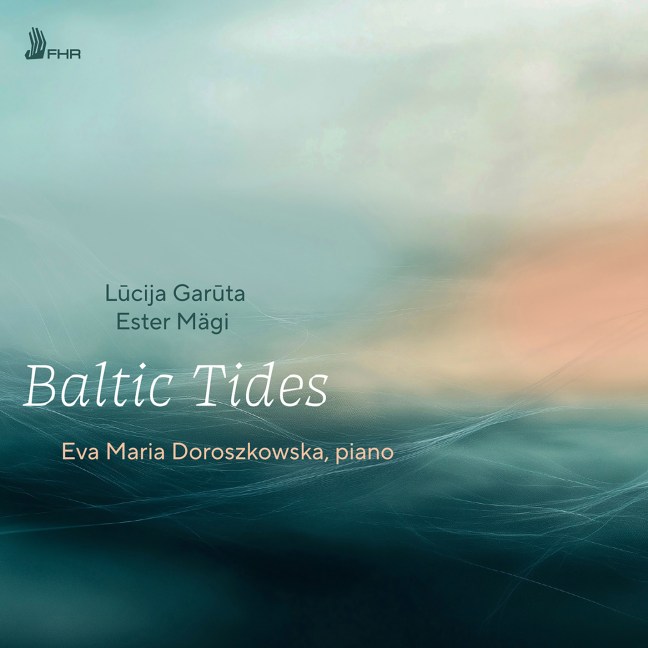
A couple years ago, I had much better access to new releases from a wide array of small labels through the Naxos distributorship. Not anymore, which is too bad because I miss out on a lot of records like this one. Small labels do important work, putting out music by un- and lesser-known composers. E.g., this one. Garuta authored an incredible war-time antiwar cantata and is a highly-revered figure in Latvian classical music, much as is Ester Magi in Estonia, but in the wider world c. 2025 pretty much unknown/forgotten. That’s life – artists fade off into oblivion just like everyone else…
1:05:59
Anna Clyne (1980- ): Color Field; III. Orange
Marin Alsop:
Naxos
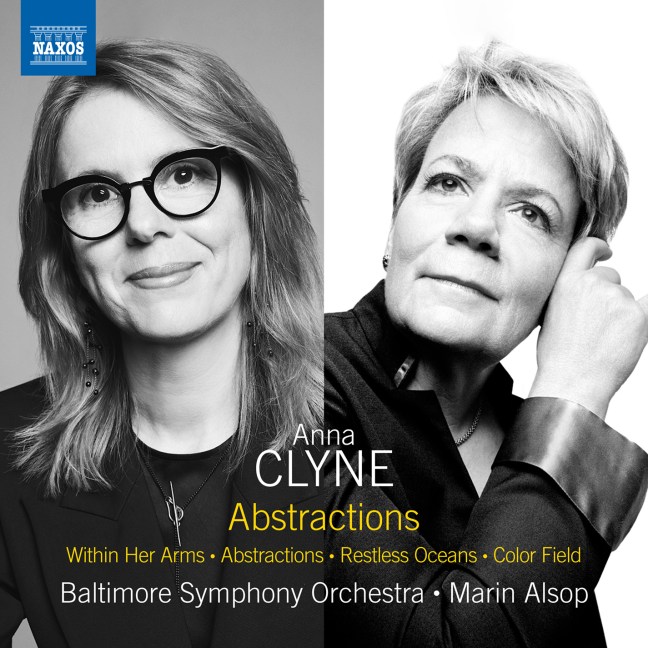
Anna Clyne seems to be, along with her countryman Adès, one of a very small group of contemporary composers who can write music that appeals to adventurous listeners and the Mozart/Brahms/Tchaikovsky crowd alike. Most of my listening these days leans more Anna Thorvadsdottir than Anna Clyne, but this album is a fine and necessary compendium of Clyne works. Within Her Arms and Color Field are two of her best.
I do really think ANYONE could like this music. Better Anna Clyne the face of mainstream classical music than Easy Einovaudi-whatever-the-hell his name is.
(The “Incredible Two-headed Transplant” cover art, meanwhile, might take Worst-of-the-Year honors if not for the Ustvolskaya set’s cover. One of Clyne’s paintings – which are excellent, I think – would have been MUCH better.)
1:10:51
Thomas Adès (1971- ): Concentric Paths; II. Paths
Christian Tetzlaff w/ John Storgårds: BBC Philharmonic
Ondine
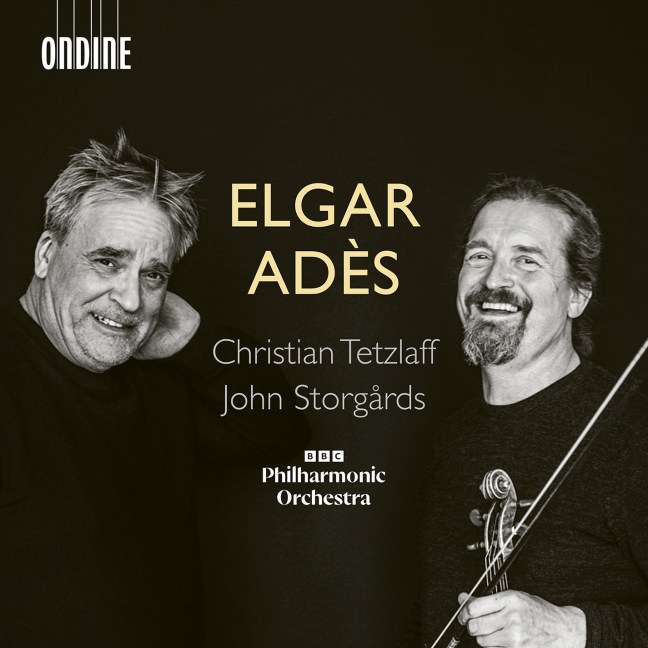
Not one but two excellent recordings of Thomas Adès violin concerto this year, which, along with three excellent previous recordings, suggest that this concerto has entered the pantheon. Which it should: It is extremely catchy while still being skewed enough to tweak my twisted dopamine dispense system. It is my favorite orchestral work in Adès’s output to date, along with the early Asyla, and I consider myself a fan of his. Leila Josefowicz did the other excellent one this year, with the Minnesota Orchestra for Pentatone. Perhaps I’m biased, having seen Christian Tetzlaff SLAY the Shostakovich second concerto in person a few years ago, but it seems he has a vibe with dark music that few contemporaries possess. And he has a 5-year history with the BBC orchestra and this piece. He takes Adès right into Shostakovich violin concerto territory, which is to say darrrrrk. So maybe I give him the nod.
(OK, I just listened to the Josefowicz and the Tetzlaff versions back to back and I can not honestly say one’s better than the other… But there’s already three Pentatone records on this list, so that gives Tetzlaff the nod here.)
I also have to admit I liked the Elgar violin concerto that makes up the first half of the Tetzlaff disc a bit more than I liked the Exterminating Angel Suite (music drawn from Adès’s recent hit opera, based on the Luis Bunuel claustro-classic) on the Pentatone disc, though that might change with more listens to the latter. I have not heard other versions of the Elgar concerto, but Gramophone thought this version is brilliant and I trust them on British stuff, as half their ration d’etre is to overinflate the significance of British music. Excellent, insightful interview with Tetzlaff about the two concertos in the liner notes.
1:21:16
Béla Bartók (1881-1945): Duke Bluebeard’s Castle, Sz. 48 (1911): The Fifth Door
Gábor Bretz & Rinat Shaham w/ Karina Canellakis: Netherlands Radio PO
Pentatone
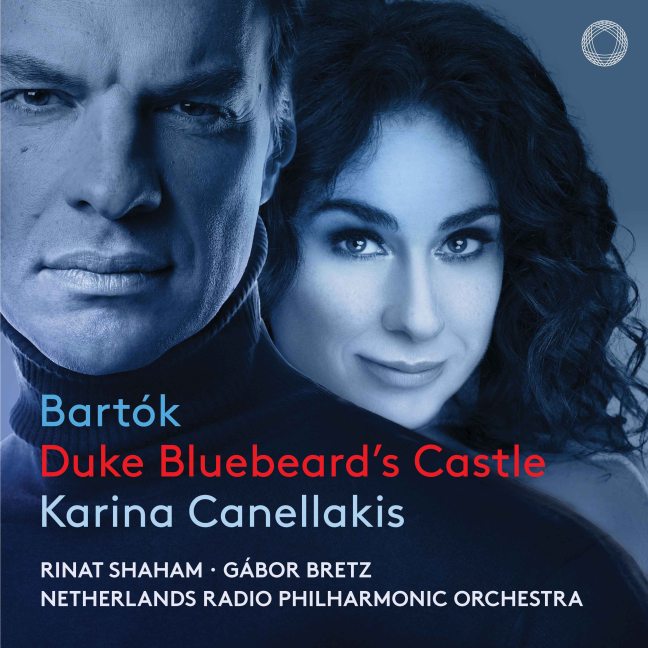
This is the best opera ever – Symbolist/minimalist plot, two deep-voiced actors in a life-and-death situation, and only an hour long. Bluebeard’s Castle has, to me, some of the best orchestral music Bartok wrote along with Music for Percussion, Celesta and Strings and the Asheville-composed Concerto for Orchestra. The singers here, a Hungarian bass baritone and an Israeli mezzo soprano, are forceful and dark. The rising-star conductor is touring the opera around Europe next spring.
Scene 5 is where the shit hits the fan.
1:27:15
Elsa Barraine: Elevation
Lucile Dollat (organ) w/ Florent Jodelet and Francois Vallet (percussion)
Temperaments/l’Auditorium
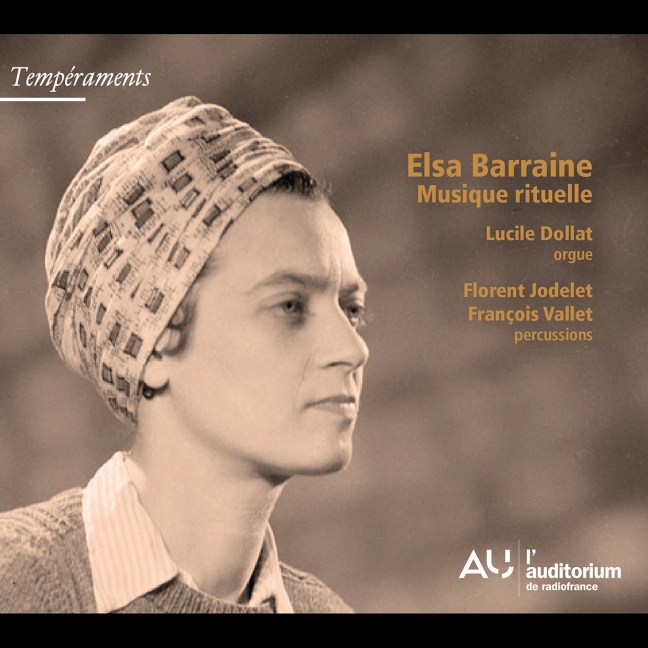
The title piece, Musique Rituelle, is a 37-minute trio for organ and percussion revolving around the Tibetan Book of the Dead that has cracked my All Time Top Ten Favorite Compositions list. The version of it on this 2025 release has the organ a lot more up-front than an older version with Barraine’s friend Raffi Ourgandjian on the keys. I think I prefer the older version, but this is great and the old one seems to be impossible to find, though you can hear it on the Youtube channel linked above.
 Concentration Camp